HRMN 302 Course Outcome 2: Recognize and respond constructively to cultural differences in communication.

Organizational culture is a conglomerate of behavioral norms that function together to facilitate various aspects of communication within an organization. The course material suggested that these behavioral norms are centered on attitudes, beliefs, traditions, and values that are shared by a group of people within the organization (McLean, 2013, p. 476). McLean (2013) went on to suggest that culture also encompasses the psychological aspects of the expectation people have of the communication context. In other words, the situation surrounding a conversation provides a significant level of meaning and understanding (McLean, 2013, p. 373). It can also be noted that high-context cultures value context highly while low-context cultures rely more on cultural norms to understand and relay meaning (McLean, 2013, p. 373). This is just one example of cultural differences in communication.
All the while, cultural differences in communication that are created within an organization have merged closer to the forefront of organizational research studies in recent years due to the increasing need to establish cultural agility as a competitive advantage in the corporate world (Pruvli & Alas, 2014, p. 206). In addition, as workplaces become more diverse by employing people of diverse races, cultures, and ethnicities, organizations must ensure that their communication methods are clear and inclusive; they must work to improve and maintain their intercultural communication methods (Buluş, Atan, & Sarıkaya, 2017, p. 576). After all, communication in the workplace can become challenging at times because each person has their implicit assumption about the way people should communicate; these assumptions are influenced by the culture from which they have come. This is why it is so important to be aware of the potential challenges that can occur within the communication framework when it comes to cultural differences.
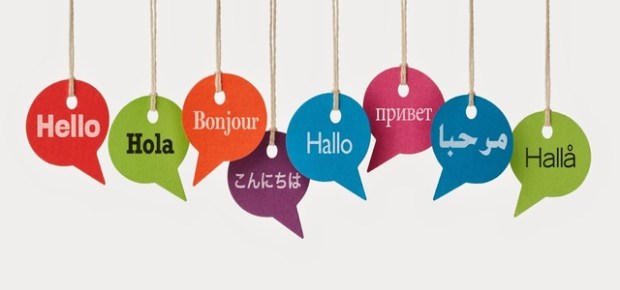
This course taught me why it is also necessary for people to work to master some of the key characteristics of intercultural competence. According to the course material, these competencies include:
- Tolerance for ambiguity – the ability to deal with the lack of clarity constructively and to problem-solve in ways that meet the individual needs of a group of people.
- Behavioral flexibility – the ability to adapt to the various customs in order to satisfy the requirements and situations that occur across cultures.
- Communicative awareness – the ability to recognize the challenges that can occur due to differences in linguistics, gestures, and body language and to adapt to these differences.
- Knowledge discovery – the ability to gain knowledge about cultural behaviors and practices and to apply that knowledge to everyday interactions.
- Respect for otherness – the ability to show deference to the cultures and beliefs of others to the extent that disbelief is cultural differences is suspended.
- Empathy – the ability to gain an understanding of how others feel by putting oneself in their shoes and to deal appropriately with their feelings (INCA Survey Scorecard, 2018, pp. 3-4).
Mastering these competencies play an important role in interacting with others in ways that are both effective and acceptable to others (INCA Survey Scorecard, 2018, p. 2).
To demonstrate my mastery of the key competencies of intercultural communication, I completed an intercultural assessment survey that gave me the opportunity to assess my level of intercultural competence in three main categories: Openness (Respect for Otherness and Tolerance of Ambiguity), Knowledge (Knowledge Discovery and Empathy), and Adaptability (Behavioral Flexibility and Communicative Awareness). The results of my assessment revealed that, while I had mastered the ability to hold the differences of others in high regard, I needed to improve my ability to tolerate unexpected and unfamiliar circumstances and interactions. The results also showed that I had mastered the ability to learn about the cultural practices of others and to apply what I have learned to enhance my ability to communicate across intercultural lines. I also mastered the ability to gain an understanding of other cultures by putting myself in the shoes of others. And finally, the survey results revealed that I mastered the ability to consider the behavioral norms, including languages, gestures, the tone of voice, and body language, that are specific to an environment the expectations of the various people in that environment in order to adapt new ways of communicating with people cross-culturally.
To read my paper on intercultural communication and the analysis of my INCA survey results, click the link Tamara Walters_Intercultural Communication Paper.
 TÁMARA C. WALTERS